In short
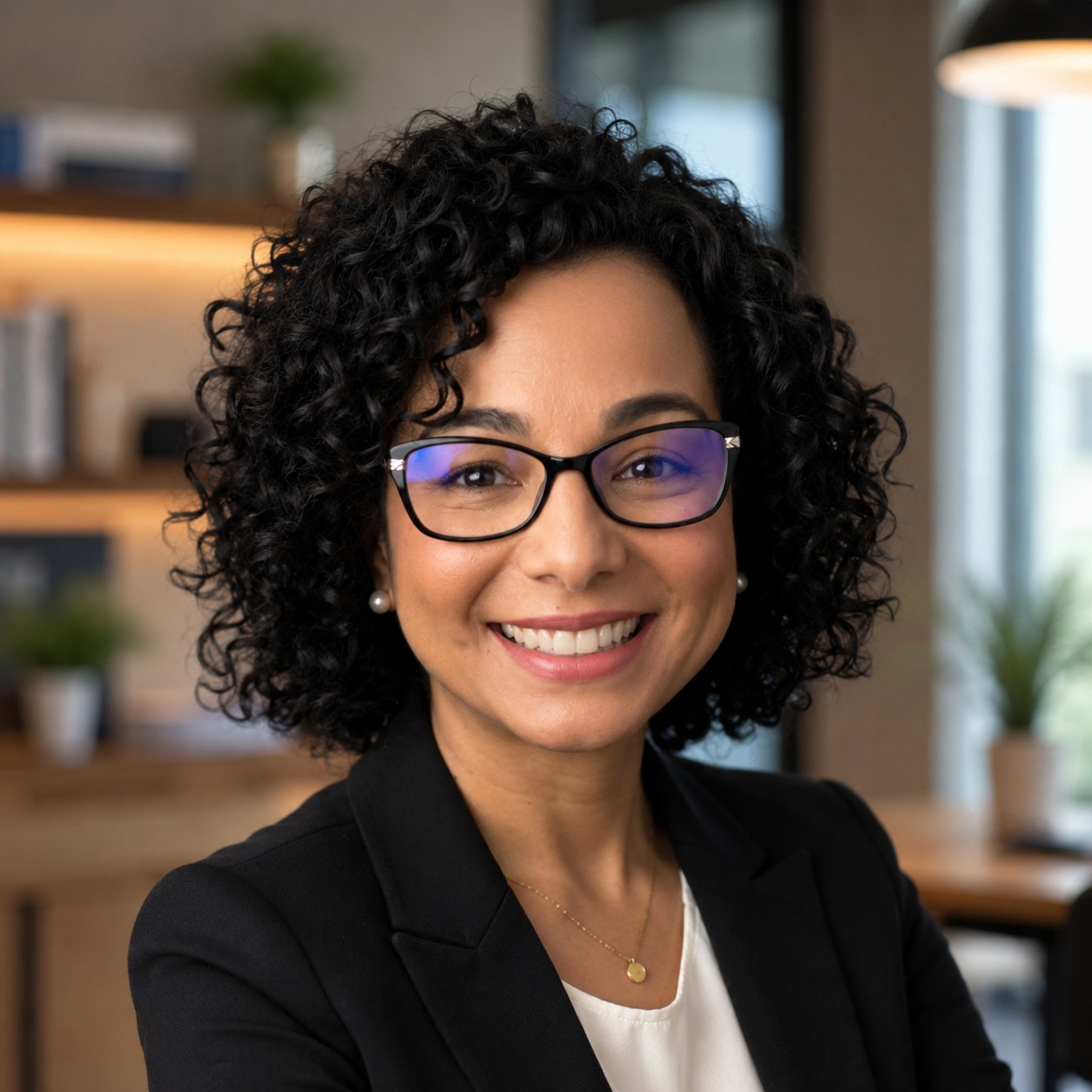
Today, Patricia does what Holybiz promises. She walks into your company, works out how the money comes in and where it stalls, designs the sales machine, and does not hand you a bound plan: she hands you the machine running, with a team of agents on the repetitive work and you in charge of the rest.
She can do that because she has been on both sides. Eleven years building the systems a real operation uses to sell, eight of them inside Tupy (Latin America’s largest foundry), where the domestic and export commercial portfolio was her responsibility. Then she co-founded Sizebay: wrote the first algorithm, sold to the first clients with her own hands, and looked after sales while the company internationalized toward Europe. She left in 2019, in a strategic exit.
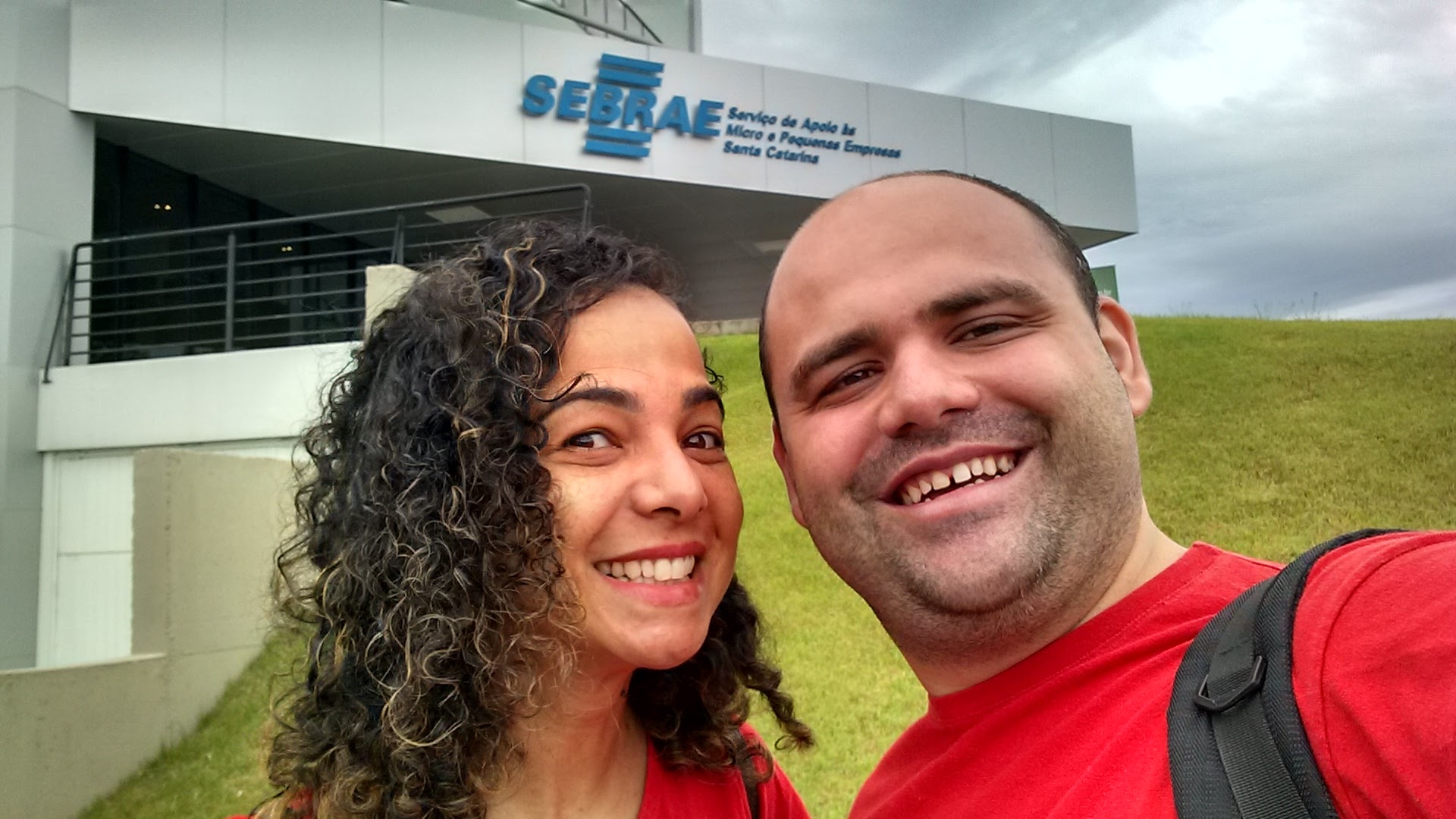
Since then, hundreds of small companies have passed through her hands: at Pitada Criativa (Portuguese for "a pinch of creativity"), the consultancy she founded with Janderson, and under the SEBRAE accreditation (Brazil’s national small-business agency) she earned through its demanding validation. Companies that already exist get the sales machine. Founders arriving with an idea get the other craft, the one she has practiced since Sizebay was one: validation, from idea to business model to company. Her favorite moment is the same in both: the owner stops pushing the sale alone and watches their own machine turn.
Making things exist. An algorithm, a sales process, a business model: she has built each one from nothing, more than once. Her fight is still simplicity, the smallest system that actually works, because of what a working system buys. The owner gets the week back, and it goes where she believes it belongs: the family, the life the business was supposed to pay for, not replace.
The story, step by step
Co-founder of Holybiz
Designed in Austin to offer American companies what hundreds of Brazilian ones had already lived: understand the business, design the sales machine and, instead of leaving a document, leave a team of agents working it. Since then she has been supporting small businesses in Brazil and the United States, and mentoring women entrepreneurs: the ones building the company, not just working in it.
Back to Pitada Criativa
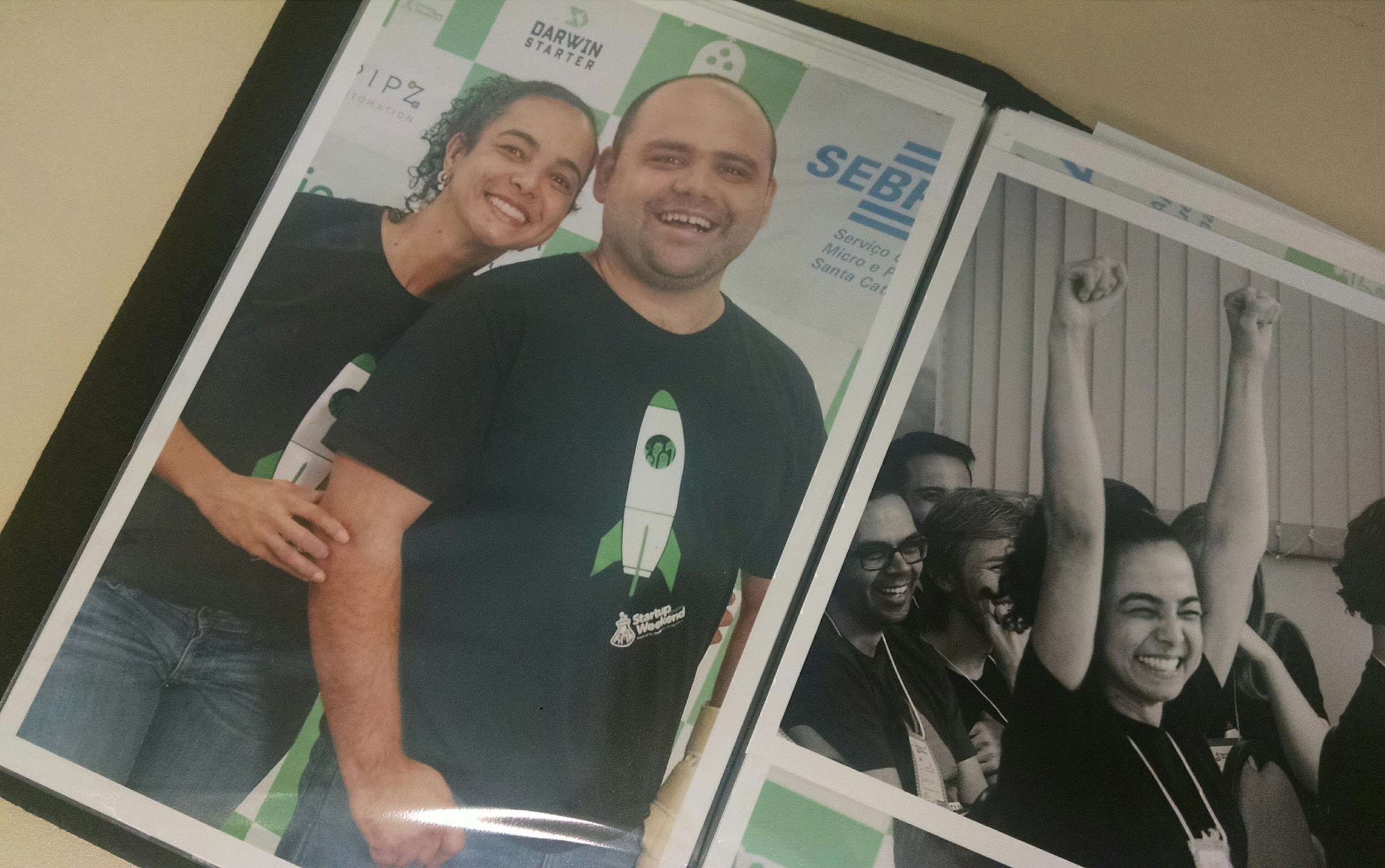
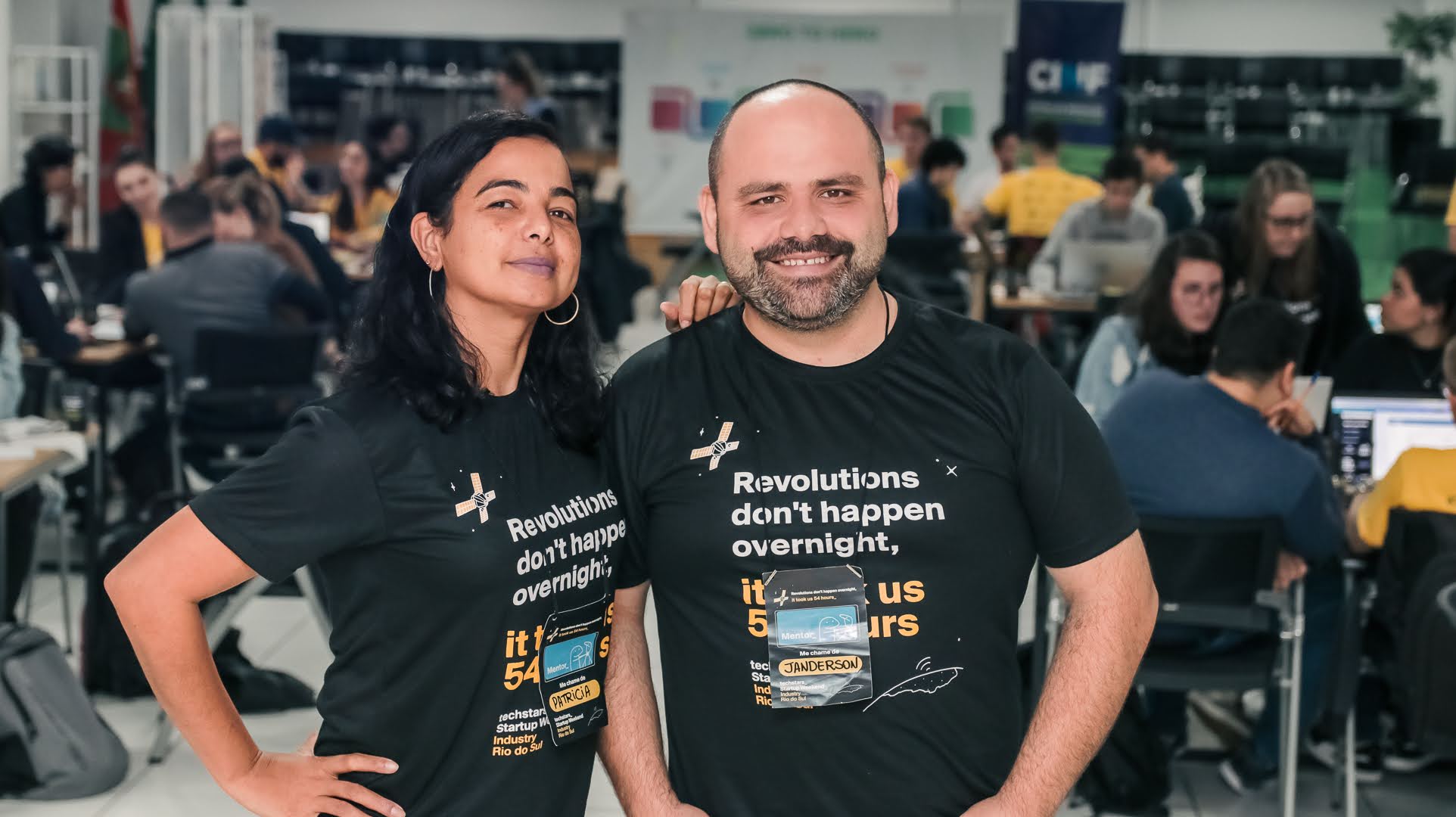
The exit was a return to her origins. Pitada Criativa, resting since the investment, woke up, now with everything Sizebay had taught her. SEBRAE, Brazil’s national small-business agency, validates every consultant before they may serve. She passed. The years that followed went into teaching hundreds of Brazilian small and medium companies and startups to put those learnings into practice, and never in the talk-and-leave format: sales methodology installed inside the client, the CRM connected and running, consulting products she developed herself, ideas taken to business models, mentoring at Techstars Startup Weekend editions, where a team gets 54 hours to make a business exist. In 2022 she moved to the United States. The work did not: SEBRAE and the Brazilian companies stayed with her, remotely.
Sizebay: the plan, the sales, Europe, the exit
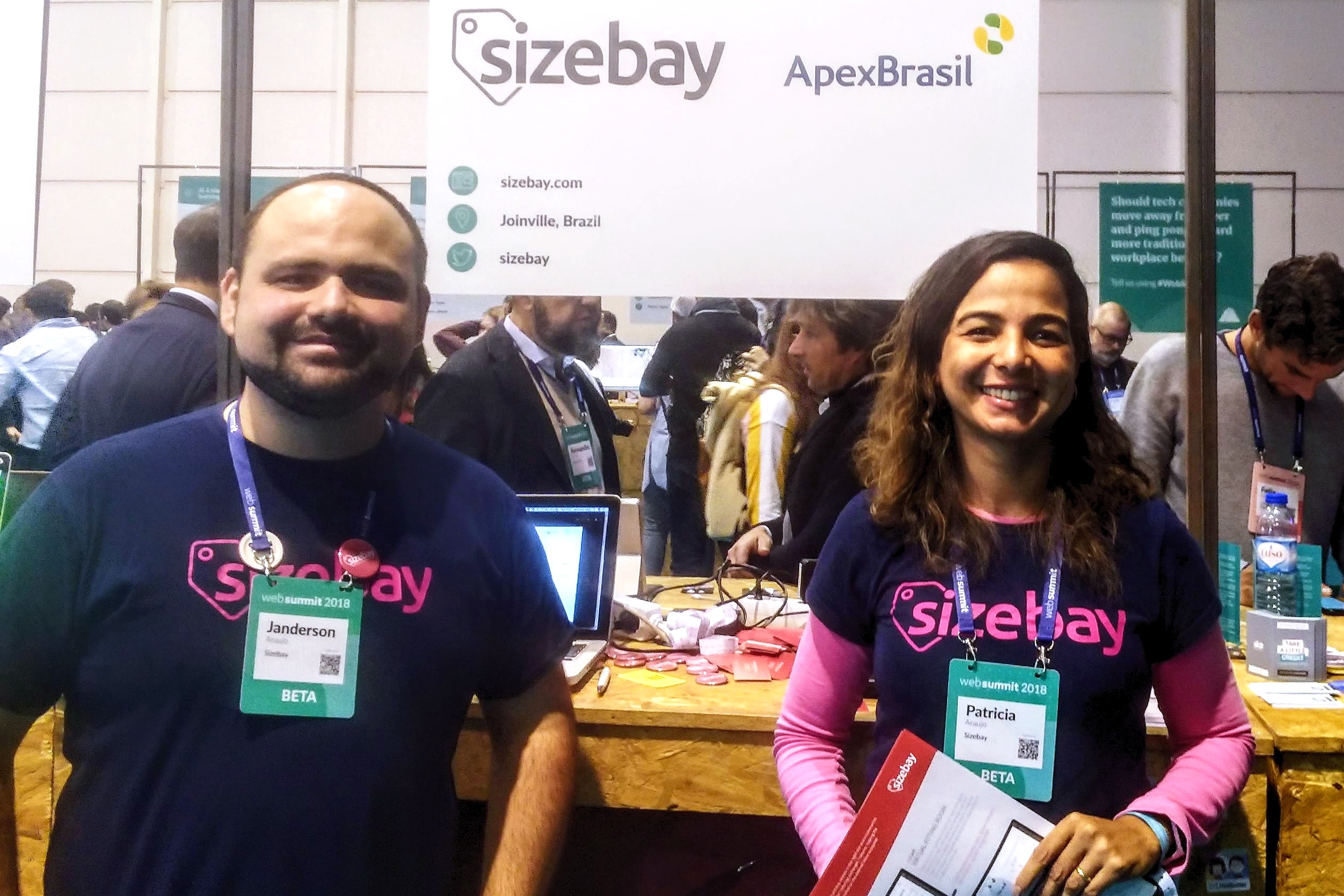
A third partner joined the two of them, and the idea became Sizebay. She wrote the plan that made it presentable, entered the company into startup calls and programs, wrote code, and built the first validation algorithm and the first database. The first sale was hers. When the investment arrived, Pitada went to rest and Sizebay took the days, and she went wherever the phase needed her: ran sales with two salespeople alongside, moved through customer success, held part of the finances, took Sizebay to events and earned it space in the Brazilian press. She helped the internationalization: Portugal in 2019, the first European funding the same year. She left that year, in a strategic exit.
Pitada Criativa, with Janderson
Her first company, founded with her partner Janderson: digital marketing, e-commerce and innovation. They ran it together until 2014. By then, an idea growing inside it wanted a company of its own.
Tupy: the commercial portfolio was hers
She spent the first years diagnosing what broke in logistics and sales, then building what the ERP alone could not give. Tupy (Latin America’s largest foundry) hired her away from the supplier to keep doing it as a business analyst. The domestic and export commercial portfolio became hers, and she built the systems the sale ran through: from order to invoice, from contract to export, from stock to tax. Eight years watching a real operation break, at industrial scale, from the inside.
First code: Delphi, C++, Oracle
At Softflex and Gesplan, two management software houses, she built the modules the clients ran on: teaching and customer service at one, budgeting at the other, down to the database underneath. Before she sold systems, she wrote them.
The family’s neighborhood market
Selling came first, behind the counter of the family market. A craft learned from people rather than from a framework, which is still how she teaches it.