
“Sizebay created a virtual fitting room for fashion e-commerces, increasing the chances of sales”
Original headline: “A Sizebay criou um “provador” virtual para os e-commerces de moda, aumentando as chances de vendas”

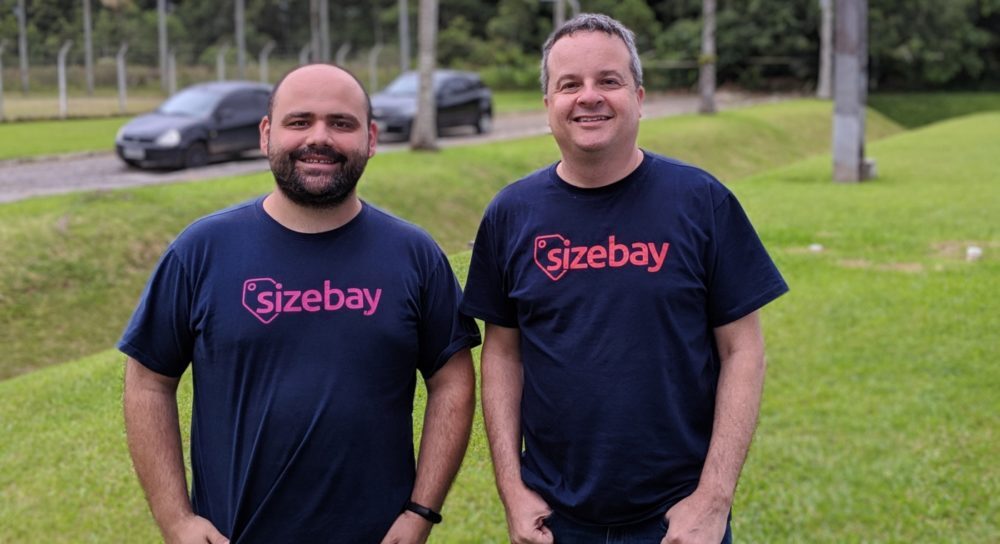
A long-form profile by the Brazilian editorial project dedicated to the new economy: the product, the business model and the growth numbers, from the first version in 2015 onward.
What the piece reports
Bylined Marília Marasciulo, and carrying its own note that it first ran in May 2019 before being republished. It is the only piece in this record that treats the company as a case study instead of as news, which is why it is the one to read if you only read one.
It starts with the numbers that made the problem worth a company. It cites a survey by the fashion network byMK putting at 37% the share of shoppers who abandon an order over doubts about fit or about their own measurements, and Buscapé data putting at 56% those who are uncomfortable buying something they cannot see or try on.
Then the founders, all three named: Janderson, Marcelo Motta Bastos and Patricia de Castro Araujo, the last two described as management specialist and project manager. Patricia's part of the work is in this piece and almost nowhere else. She went into the field with a measuring tape to understand how bodies are actually shaped, and she worked on the algorithm while the other two still had day jobs.
The best thing about the profile is that it reports the mistake. The first version of the product was overbuilt, and he says so:
The problem is that we made a grandiose design right at the start, with a complicated information architecture that weighed the final product down.
It is important to think big and build small, at least in the beginning.
What fixed it was going backwards on purpose, stripping the product of everything hanging off it. Early sales had been encouraging and misleading, which he puts better than we would: selling to an early adopter is easy, he told the outlet, because they are crazier than you are.
The piece then credits the turn to a programme rather than to a genius. Through Startup SC they drove the 180 kilometres between Joinville and Florianópolis every weekend for mentoring and workshops. By the end of it the product was solid, outbound sales were structured, and 2018 was the company's biggest growth year to that point.
And the numbers it prints are modest, which is the point. About 150 clients, an initial investment of around R$200,000, revenue of about R$720,000 in 2018, against an American market leader many times that size. The piece says as much and prints them anyway. It is the only public document of this company at the size most small businesses actually are.
The last argument in it is the one that translated worst and mattered most. Brazilian fashion sizing is unstructured and varies wildly between brands, and foreign competitors arriving with one fixed way of doing things did not land, because, as he tells the outlet, Brazilians want the thing adapted to them. Read the whole piece as the long version of a rule we still work by: think big, build small.
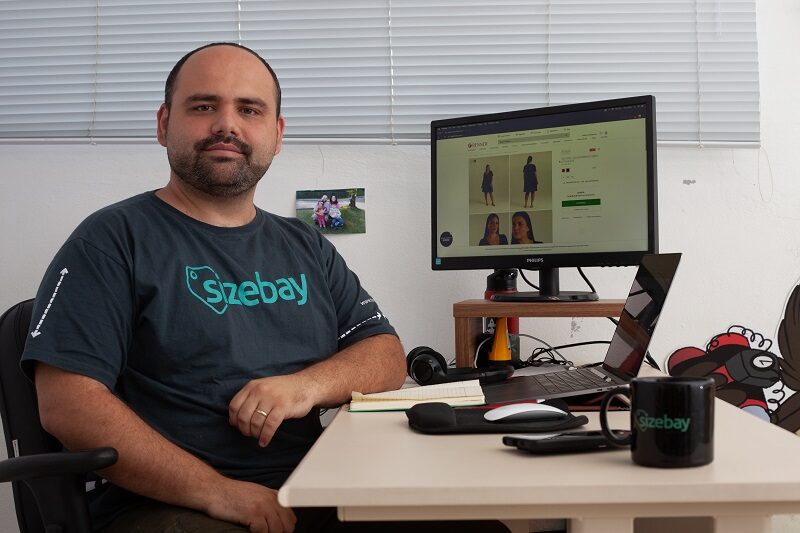

“Joinville is: connected to the world”
A feature on Joinville companies operating globally. Sizebay is one of the cases the newspaper uses to tell that story.
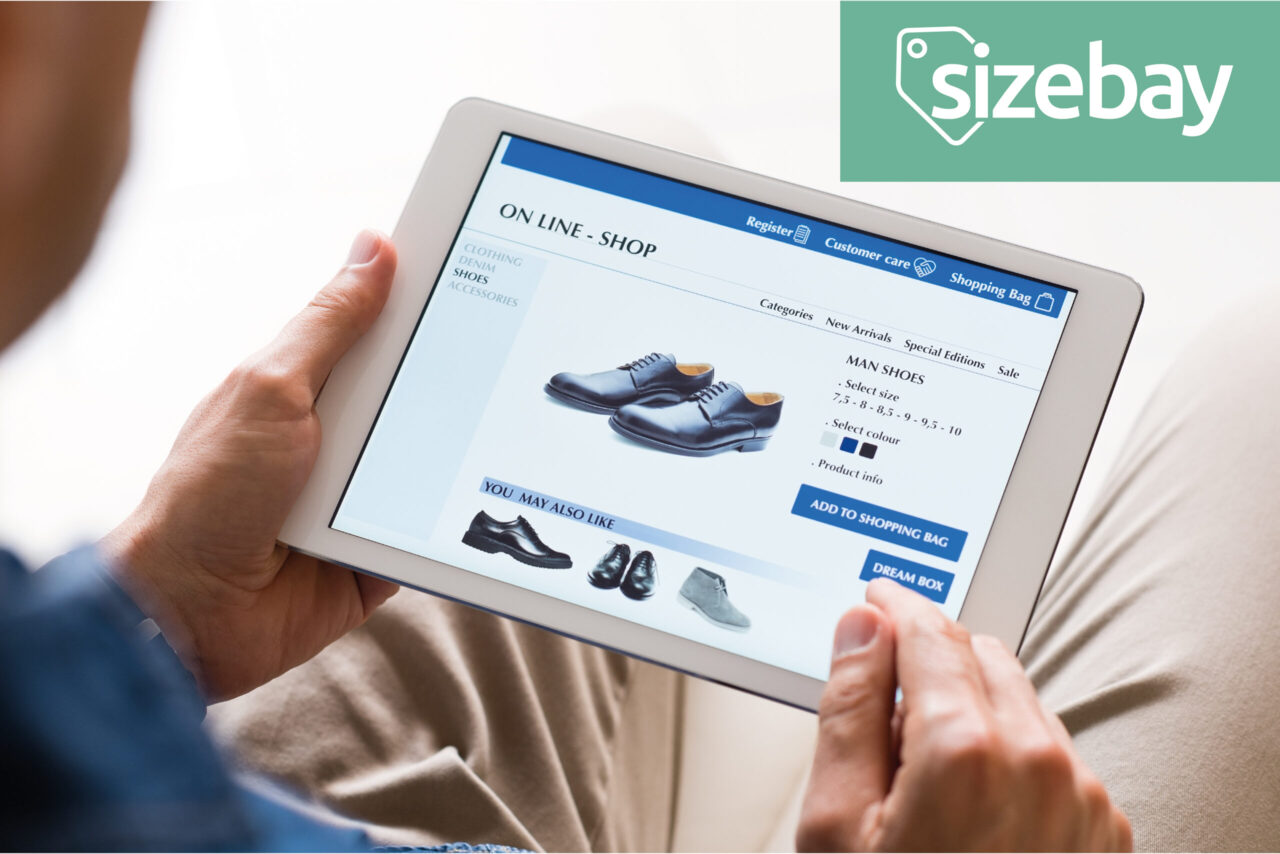

“Sizebay virtual fitting rooms boost online fashion sales”
The British marketplace-industry outlet covers Sizebay for an international seller audience. International coverage, originally in English.


“AI-tool Sizebay wants to boost online fashion sales”
The European e-commerce trade press frames Sizebay as an AI tool entering the European market. International coverage, originally in English.